Introduction
Losing hair can be distressing since for many people, it serves as their crown or a means of expression. Although 50 to 100 hairs falling out every day are considered typical by doctors, lumps of hair that appear frequently may indicate a more serious problem. Stress, medical disorders, and vitamin shortages are a few examples of factors that might impact the quality of your hair.
Examining your nutrition is one approach to make sure you’re doing everything possible to maintain your hair after speaking with a doctor or dermatologist to determine the cause of your hair loss.
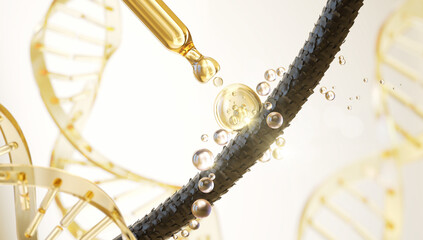
One of the main factors in obtaining the thick, luscious hair you may want is leading a healthy lifestyle. For natural and supplemental ways to receive the vitamin you need, keep reading.
These are incredibly beneficial to hair. They can promote cell division, shield hair from damage by free radicals, delay the onset of greying, and support the follicles that initiate new growth.
Vitamin C (ascorbic acid)
Vitamin C is a water-soluble vitamin and plays a significant role in not only strengthening our immunity but also helps to strengthen the roots of the hair.
The rich antioxidant properties of this act like anti-ageing by blocking the realization of free radicles as excess free radicles can lead to oxidative stress damaging the hair roots. Also, this helps to boost collagen production, which is a significant protein required for hair and skin health.
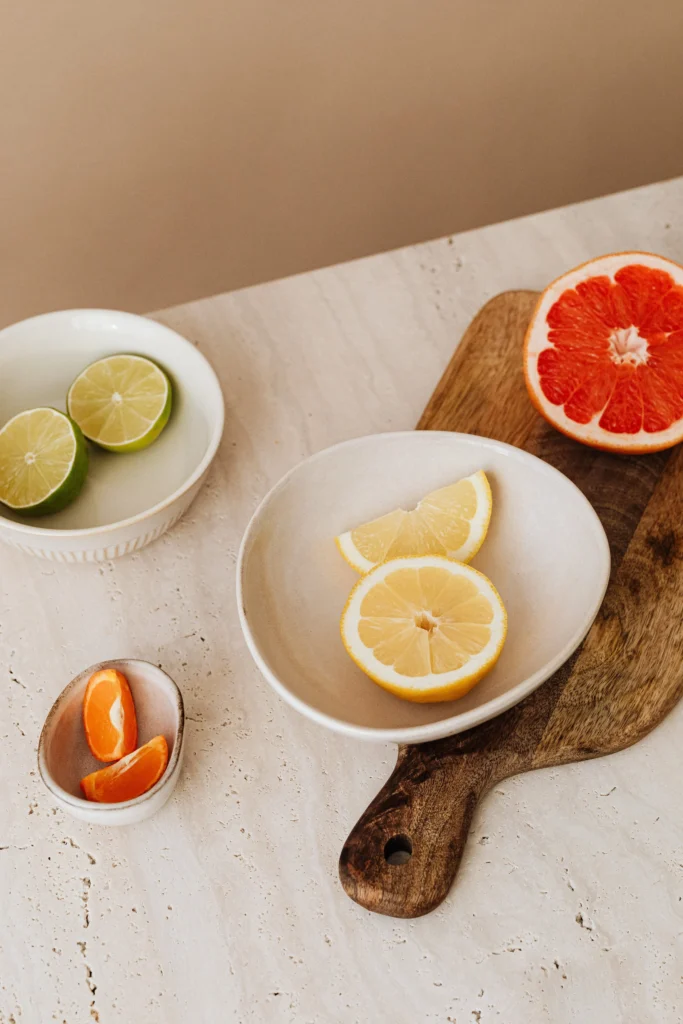
The hair elasticity improves with adequate vit-C intake, preventing hair breaking, splitting ends, and avoiding hair thinning. This also plays a significant role in wound healing, iron absorption, and strengthening muscular and skeletal systems.
Biotin (Vitamin B7)
Biotin, also known as vit- B7, has a significant role in hair growth. It acts by stimulating the production of keratin in hair, increasing the rate of hair follicle growth. As it’s a water-soluble vit, it has to be consumed every day to get the potent benefits out of it.
One of the primary causes of hair loss is oxidative stress.
This happens when our bodies’ levels of antioxidants and free radicals are out of balance, which can cause an electron imbalance that can cause hair loss.

Your body naturally produces it in the intestines, and it is also present in foods such as dark green leafy vegetables, nuts and egg yolks. It’s very uncommon to have a biotin deficiency but can see in people with poor gut function, chronic disease conditions, and excess alcohol consumption.
Studies have shown that biotin supplements have helped with hair fall and have improved hair thinning, male patterned baldness. Consult your physician to know more about biotin supplements.
Vitamin D
The sunshine vitamin is obtained when our body exposes to sun rays, and the deficiency can lead to hair loss.
Low levels of this are often associated with alopecia, especially in females. Vit- D receptors help in the absorption of calcium, and together, they are known to create new follicles on the scalp promoting the growth of new hair.
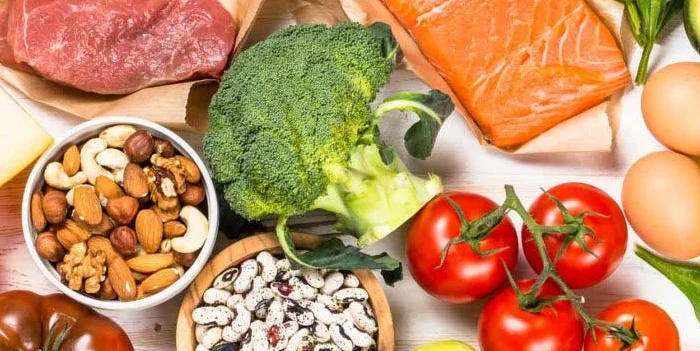
D deficiency is common in people who do not get exposed to sun rays, and supplementation is the best way to beat insufficiency. food sources: – is found in fatty fish, cod liver oil, some mushrooms and fortified foods.
Vitamin E
Vitamin E is also called tocopherol, is widely used as a hair care product and has many benefits because of its potent antioxidant property. Helps in reducing oxidative stress by preserving the protective lipid layer.

It also improves hair and scalp health by improving blood circulation and can be used as topical solutions for growth. Include an adequate amount of vit- E rich foods in your diet for better hair health, and foods sources are coconut, almonds, walnuts, seeds like pumpkin, leafy greens, olive oil, and sunflower oil and coconut oil.
Vitamin A
Vitamin A is the most vital vitamin for overall physiological functions and also know to improve skin and hair health. It helps in producing red blood cells, promoting good vision and also improve immunity.
.
- Sebum is an oily secretion that keeps our body naturally cool and moisturized. Here Vit- A plays a role in the production of sebum.
- vitamin D deficiency could lead to hair fall, night blindness and weak immunity.
Contradicting to the above statement, Studies have shown that overdose of vit- A can also led to hair fall like other vitamins. An inadequate amount of vit-D can result in premature greying of hair and hair loss.
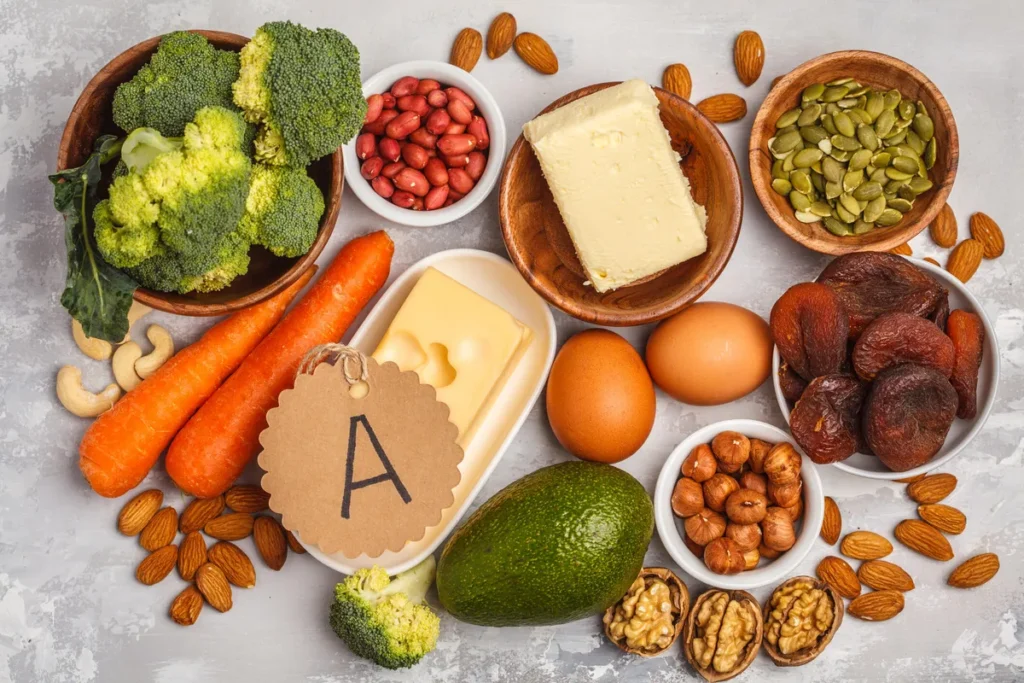
The b carotene found in vegetables like sweet potatoes, carrots, pumpkins, spinach and fruits like mangoes gets converted into vitamin A. vitamin A is also found in animal products such as milk, eggs and yoghurt. Cod liver oil is an excellent source.