What are prebiotics?
Prebiotics are from plant fibres found in many vegetables, fruits that favour healthy gut bacteria growth.
The short-chain fatty acids in prebiotics get absorbed into the bloodstream, which helps with various metabolic disorders.
Prebiotics & Probiotics:
Prebiotics and Probiotics have their importance in gut health
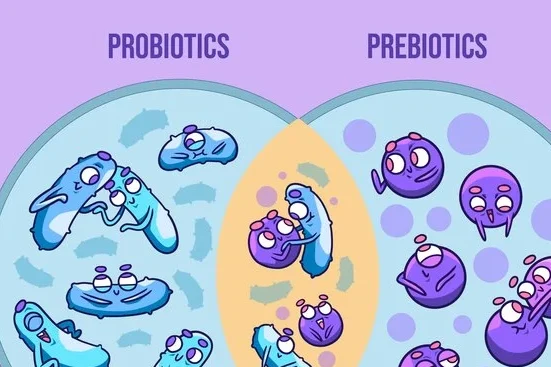
Prebiotics are the carbs that your body can’t digest, hence reaching a large intestine where they serve as food for your gut’s healthy bacteria.
Probiotics are live, healthy bacteria required for optimal gut health and digestion. We can get probiotics through diet and supplements.
Commercial probiotics have the names on the label as:
Galactooligosaccharides
Fruto oligosaccharides
Oligofructose
Chicory Fibre
Inulin

Benefits of Pro-Biotics:
Promote Healthy Gut.
Helps with weight loss.
Fibre from prebiotic foods can increase calcium absorption.
Helps to control Type 2 diabetes.
Acts as mild laxatives.
It keeps gut cells healthy, can prevent gut cancers.
Prebiotics Foods for gut health
You’ll find prebiotics in many fruits, vegetables, and whole grains like:
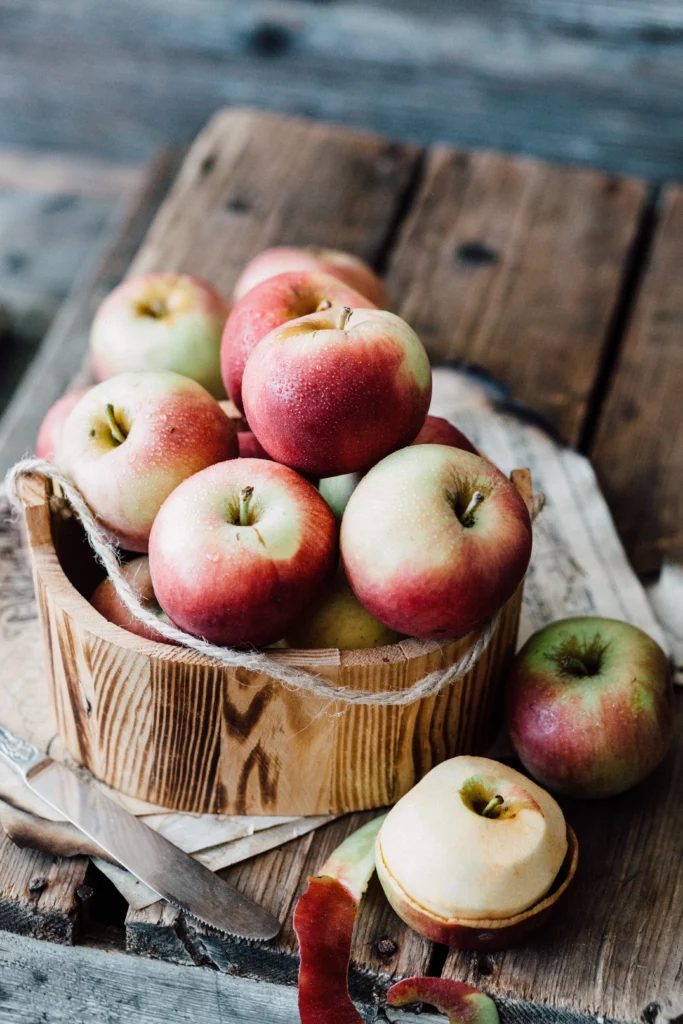
Apples
The fibre Pectin present in apples can promote healthy gut bacteria and helps decrease harmful bacteria. It also helps in controlling appetite.
Bananas
Unripe Bananas are rich in fibre. They are convenient to cook and tasty. They have a wide range of vitamins, minerals, and small amounts of inulin.

Konjac Roots
Popularly known to reduce chronic constipation as the glucomannan fibre found in konjac root helps promote friendly gut bacteria, relieves constipation, and helps with weight loss.

Spinach Greens
Rich in fibre, spinach green is added to salads, soups and any other dishes. It has anti-inflammatory properties, boosts your immunity, increases the friendly bacteria in your gut, and reduces constipation.

Barley
The high beta-glucan fibre in barley can promote gut health. It can also lower cholesterol and blood sugar levels.
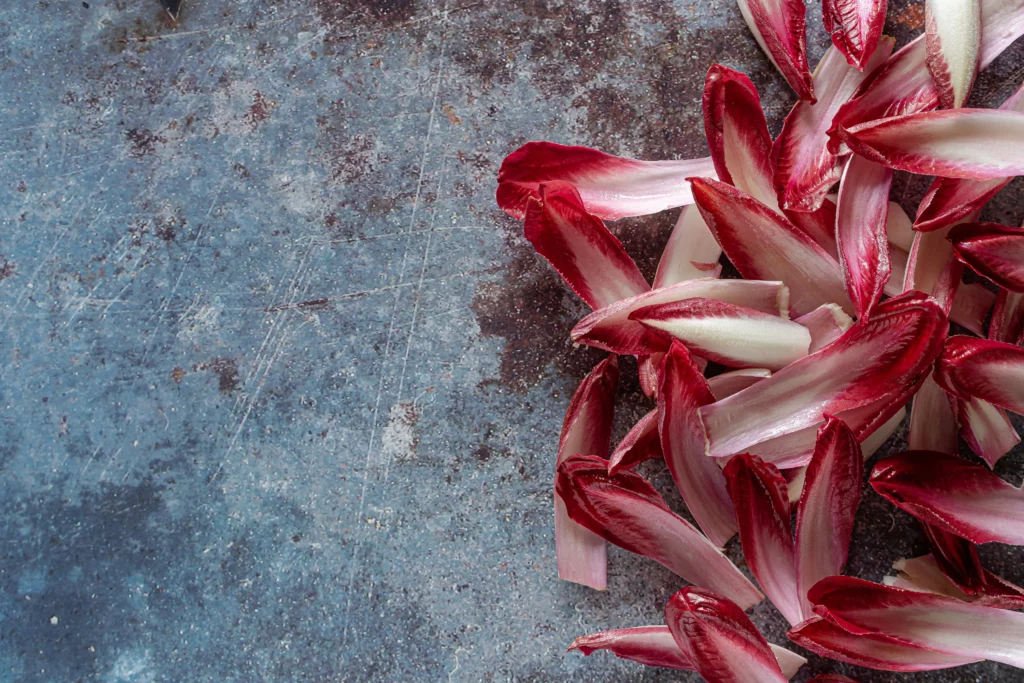
Chicory Root
Chicory root is often used as a caffeine-free coffee replacement., especially for chronic constipation. It contains inulin fibre which helps in keeping gut bacteria healthy and can help control glucose levels.
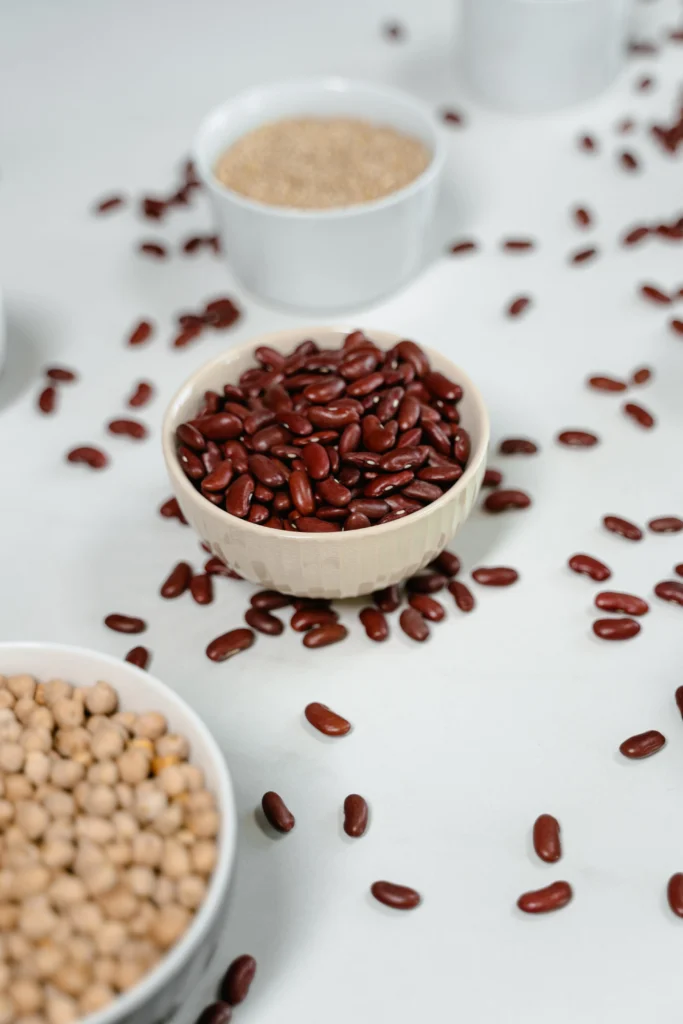
Flax Seeds
The fibre in flaxseeds promotes regular bowel movements, prevents constipation and helps in lowering LDL (bad) cholesterol.
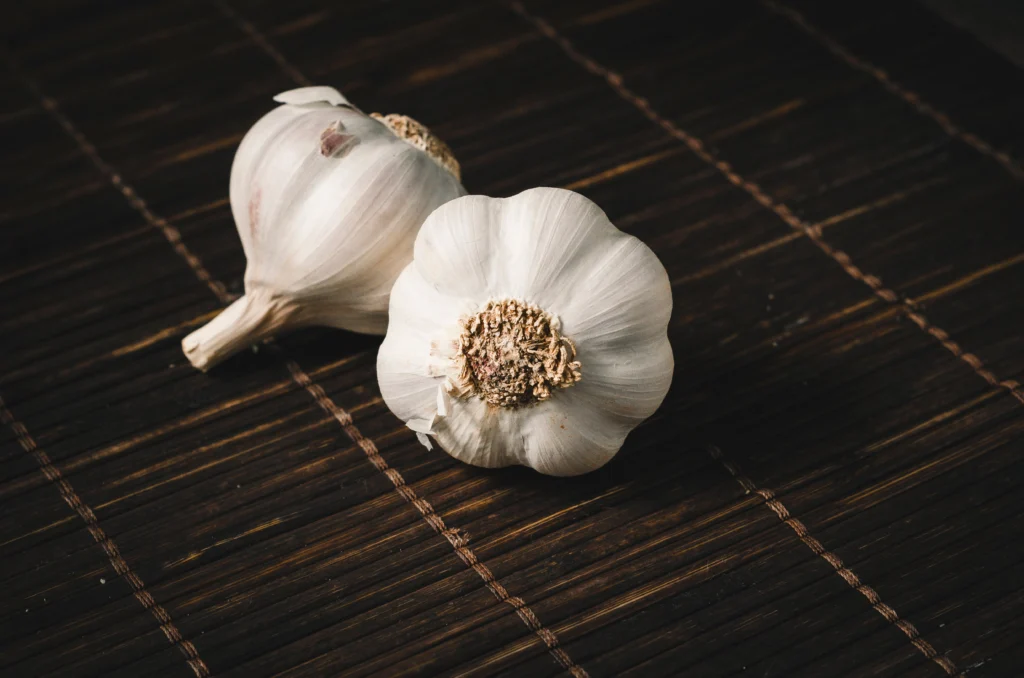
Garlic
Garlic is known for its medicinal values, and the sulphur compound present in garlic is proven to help promote good bacteria and prevent harmful bacteria from growing.
Onions
Onions are rich in fructose oligosaccharides and inulin, which have the potential to increase healthy gut bacteria, boost your immune system and improve digestion.

here are 10 prebiotic foods.
1. Greek Yogurt Parfait This creamy pleasure is a probiotic powerhouse for your intestines. For a breakfast delight that is as healthy for your taste buds as it is for your digestive system, layer it with your preferred fruits and granola. 2. Garlic Butter Roasted Asparagus Asparagus is a superstar of the prebiotic world, not just a fancy side dish. When you roast it with a hint of garlic and butter, you’ll have an elegant yet stomach-pleasing treat for your dining table. 3. Kombucha Mocktail Let’s add some Kombucha Mocktail to liven things up. Probiotic-rich and effervescent, this fermented tea is a great addition to your list of stomach-friendly drinks. For a beverage that is as visually appealing as it is tasty, get imaginative when combining fruits and herbs. 4. Chia Seed Pudding Make a Chia Seed Pudding with almond milk and garnish with berries for a delicious dessert that will heal your gut and satisfy your sweet appetite. 5. Kimchi Fried Rice It’s time for Kimchi Fried Rice, a flavourful twist. Fermented cabbage dish, kimchi, is a probiotic-rich treasure. Add it to rice and your preferred vegetables for a zesty, satisfying supper that’s good for your stomach. 6. Banana and Berry Smoothie Bowl Let’s make a banana and berry smoothie bowl to start blending our way to intestinal health. This breakfast champion, which supports your stomach and powers your day, is a bowl of goodness full of berries that are high in prebiotics and the goodness of bananas. 7. Miso Soup We’re going to try some Japanese food next, starting with miso soup. This classic dish, made with fermented miso paste, is not just hearty and full of probiotics. To create a pleasant umami experience, add some tofu and seaweed. 8. Oatmeal with Apples and Cinnamon Who said comfortable food couldn’t be gut-friendly? In addition to warming your heart, a bowl of muesli with apples and cinnamon contains prebiotics. This nutritious meal promotes digestive health and keeps you feeling full. 9. Sauerkraut Stuffed Avocado Avocado connoisseurs, this is it! For a snack that is good for your gut, combine the tanginess of sauerkraut with the smoothness of avocados. It’s a simple and quick method to add probiotics and prebiotics to your diet. 10. Quinoa Salad with Fermented Veggies Let’s finish off our culinary exploration with a Quinoa Salad that has a variety of fermented vegetables. Quinoa and fermented goodness combine to make a filling, nutrient-dense lunch that is easy on the stomach. |
| Cheers to a delicious journey of nurturing our digestive well-being. Until next time, happy cooking! Bon Appétit! 🍽️💚 |
FAQ’s
- Can I get enough prebiotics and probiotics from my diet alone?
- While a balanced diet is crucial, supplements may be considered for additional support.
- Are there specific prebiotics and probiotics for children?
- Yes, certain strains cater to the unique needs of children’s digestive systems.
- Do probiotics help with mental health?
- Emerging research suggests a link between gut health and mental well-being.
- Can I overconsume prebiotics or probiotics?
- Excessive intake may lead to digestive discomfort; moderation is key.
- Are there vegan sources of prebiotics and probiotics?
- Absolutely, explore plant-based options for a vegan-friendly gut boost.